Thermal Cis-Lycopene Extraction in Mediterranean Cuisine
The biochemical science behind slow-simmered San Marzano tomatoes, olive oil lipid carriers, and cellular antioxidant defense.
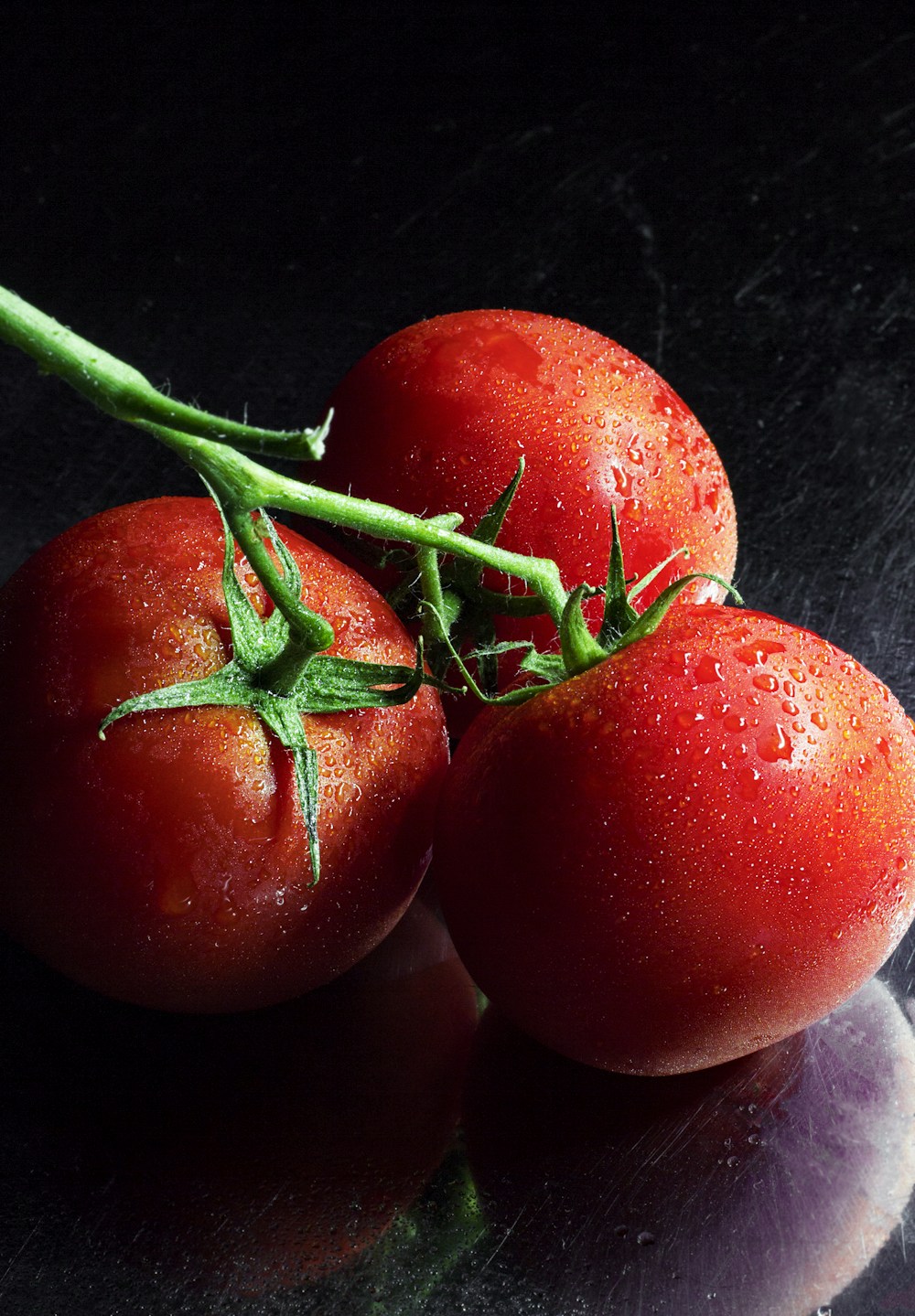
The Chemistry of Raw vs. Cooked Lycopene
In fresh, raw tomatoes, lycopene exists predominantly in an all-trans molecular configuration. While nutritious, this linear geometry is tightly locked within tough plant pectin matrixes and exhibits poor solubility in aqueous digestive fluids.
Gentle thermal cooking (simmering between 85°C and 90°C for 40 minutes) breaks down plant cellulose and induces geometric isomerization, twisting the molecule into cis-lycopene. These curved isomers integrate seamlessly into dietary lipid micelles, boosting intestinal transport by up to 300%.
3 Culinary Steps for Maximum Extraction
- Use Ripe Plum Tomatoes: San Marzano or vine-ripened Roma varieties contain up to 40% higher natural carotenoid concentrations.
- Liberally Add Extra Virgin Olive Oil: Fats act as non-polar solvent carriers; 15ml of olive oil per 200g of tomatoes creates ideal micelle formation.
- Simmer Covered: Prevents evaporation of delicate aromatic terpenes while sustaining even thermodynamic conversion.
These recipes represent dietary culinary wellness concepts and are not a cure or treatment for medical diseases. Consult a healthcare practitioner for personal health assessments.